Composite vs Wood Decking: Which Is Better?
Choosing between composite vs wood decking is one of the most important decisions when planning your outdoor space. Both materials can create stunning decks, but each comes with different costs, longevity, maintenance requirements, and visual appeal.
For homeowners considering a new deck, understanding the price of composite decking vs wood and which decking material lasts longer helps make a smart, informed choice. Your decking material impacts not only aesthetics but also long-term property value, maintenance commitments, and lifestyle convenience.
According to remodeling studies, decks remain one of the highest ROI improvements for homeowners. When done right, a deck adds functionality, curb appeal, and resale value, turning your backyard into a year-round living space.
Key Takeaways
Choosing between composite vs wood decking depends on budget, maintenance, and long-term goals.
Composite decking offers low-maintenance durability, color consistency, and long-term cost savings.
Wood decking provides natural beauty, classic aesthetics, and a traditional feel but requires regular upkeep.
Composite boards typically last 20–30 years, while wood decks usually last 10–20 years, depending on climate and care.
What Are Composite and Wood Decking?
Wood decking is the traditional choice, typically made from pressure-treated lumber, cedar, or redwood. It offers natural beauty, warmth, and a classic feel, but requires ongoing care to prevent warping, splitting, or insect damage. The charm of wood comes with a commitment to maintenance, which may include annual sealing, staining, and occasional board replacement.
Composite decking is manufactured from a combination of wood fibers and recycled plastic. It’s designed to mimic the natural look of wood while providing superior durability and minimal upkeep. Composite boards resist fading, moisture damage, and splintering, making them increasingly popular among homeowners seeking longevity and low maintenance.
The Joint Center for Housing Studies at Harvard reports that low-maintenance exterior improvements are among the most sought-after features in modern home remodeling.
Comparing Costs: Composite vs Wood Decking
Price of Composite Decking vs Wood varies depending on quality, brand, and installation complexity:
While wood decking is cheaper upfront, composite decking often provides better long-term value. Its low maintenance reduces annual expenses and extends the life of your deck, making it a cost-effective solution over the decades.
For detailed cost analysis and installation guidance, a comprehensive breakdown from Decks.com highlights how composite and wood decks compare in price and long‑term value — including material and installed cost ranges as well as durability factors homeowners should consider when planning their project.
Durability: Which Decking Material Lasts Longer?
One of the most important questions for homeowners is which decking material lasts longer.
Wood Decking:
Susceptible to rot, warping, and insect damage
Requires regular maintenance to retain strength and appearance
Lifespan typically 10–20 years depending on climate, wood type, and upkeep
Composite Decking:
Resistant to moisture, splitting, and fading
Warranties often extend 20–30 years
Virtually maintenance-free, minimizing long-term costs
Industry leaders like Trex and TimberTech emphasize that composite decking withstands harsh climates, including high humidity or direct sun exposure, without compromising its durability.
Maintenance Needs: Low-Upkeep Wins
Homeowners with busy schedules often prefer composite decking because it reduces most maintenance headaches.
Wood decks require:
Annual power washing
Staining or sealing every 1–3 years
Monitoring for rot, splintering, and insect damage
Composite decks require:
Occasional sweeping
Mild soap cleaning as needed
Less maintenance means homeowners spend more time enjoying their backyard rather than caring for it. For additional guidance on deck care, Better Homes & Gardens offers expert tips.
Design Considerations
When choosing between composite vs wood decking, consider your deck’s design and functionality:
Custom Shapes & Multi-Level Decks: Composite decking is easier to maintain in complex layouts because it resists warping at joints and curves.
Outdoor Living Features: Pergolas, railings, and integrated lighting complement both wood and composite, but composite’s durability reduces the need for frequent repairs.
Climate Factors: Humidity, rainfall, and sun exposure can significantly impact wood decks, while composite tends to perform consistently in diverse environments.
Adding these design considerations early ensures your deck remains functional, beautiful, and long-lasting.
Aesthetic and Environmental Considerations
Aesthetic:
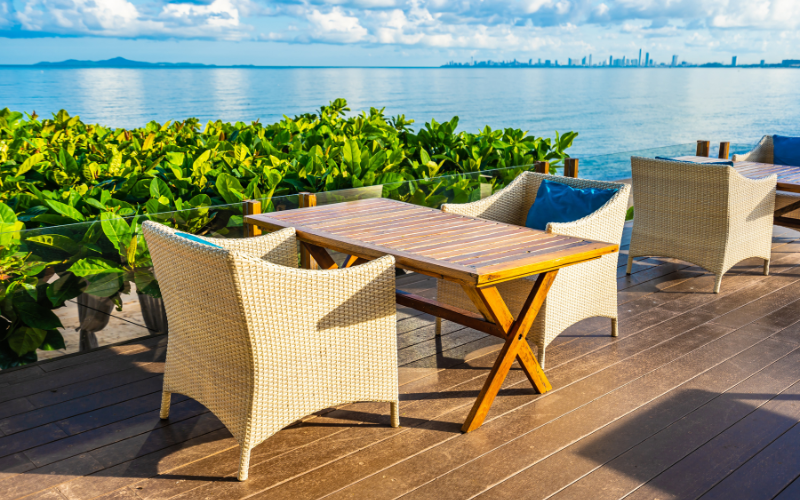
Wood decking provides natural warmth and character, while composite offers consistent colors and modern finishes. Advances in composite textures allow it to mimic wood grain so closely that even the trained eye can struggle to differentiate.
Environmental:
Composite decking often uses recycled plastics and wood fibers, reducing waste. Wood decking can also be eco-friendly if harvested from FSC-certified sources. Discuss material sourcing with your installer to ensure alignment with sustainability goals.
ROI and Property Value:
Adding a deck increases a home’s usable outdoor space and enhances curb appeal. According to Forbes Home, decks can provide up to 75% cost recovery on resale value, especially when made with durable, low-maintenance materials.
A well-designed composite deck offers strong ROI because it lasts longer, looks great, and appeals to buyers seeking low-maintenance outdoor spaces.
Professional Deck Design & Installation Matters
Even the best materials need professional installation to maximize lifespan, safety, and performance. JB’s Enclosures offers:
Accurate cost estimates and budgeting
Customized designs to match your home and lifestyle
Material recommendations based on climate, durability, and aesthetics
Professional installation ensures your deck is structurally sound, maintains warranties, and increases your home’s resale value.
Read Also: What Are Outdoor Enclosures for Patios and How Do They Work?
FAQs
Is composite decking more expensive than wood?
Yes, upfront costs are higher, but long-term savings make it cost-effective.
Does composite decking fade?
Modern composites resist fading, though some color changes may occur over time.
Does wood decking rot?
Yes, untreated or poorly maintained wood can rot, especially in moist climates.
Which decking material is best for resale value?
Composite decking often appeals more to buyers because of its durability and low maintenance.
Conclusion
Deciding between composite vs wood decking comes down to your budget, maintenance preferences, and long-term goals. Composite offers low-maintenance durability and consistent beauty, while wood delivers natural charm and timeless appeal.
With the right guidance from JB’s Enclosures, your deck can be a functional, attractive outdoor living space that increases property value and enhances your lifestyle.
Ready to Build Your Dream Deck?
Your perfect outdoor space starts with expert design and installation. JB’s Enclosures specializes in crafting beautiful, durable decks tailored to your needs and budget. Explore design ideas on our Service Page. Contact us now to speak with a decking specialist.
