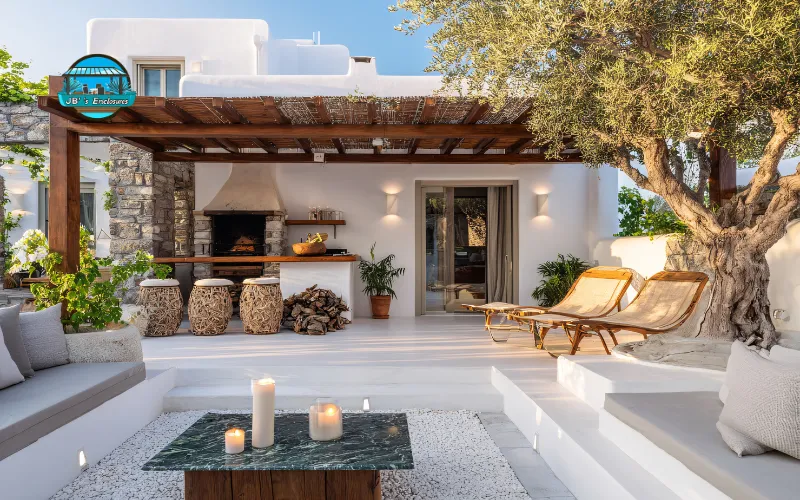
What Are Outdoor Enclosures for Patios and How Do They Work?
If you love your patio but barely use it, you’re not the only one. Heat, bugs, sudden rain, and harsh sun can turn an outdoor space into wasted square footage. That’s exactly why more homeowners are choosing outdoor enclosures for patios a practical way to protect the space you already have without committing to a full home addition.
This topic matters now because homeowners are looking for smarter upgrades, not bigger remodels. In this guide, you’ll learn how patio enclosures work, what options exist, what to plan before installing one, and how JBS Enclosures helps homeowners create outdoor spaces that are comfortable, durable, and actually usable.
Key Takeaways
Time savings: Faster installation than traditional remodels
Cost efficiency: More affordable than building an addition
Performance: Better comfort, airflow, and weather protection
Long-term value: Increased usability and resale appeal
Professional advantage: Fewer mistakes with proper planning
How Outdoor Enclosures for Patios Actually Work
Outdoor enclosures for Patios are built around your existing patio structure to create a protected environment while still feeling open and connected to the outdoors. Most systems use aluminum framing paired with screens, windows, or solid panels, depending on how enclosed you want the space to be.
The enclosure controls airflow, blocks pests, reduces heat exposure, and shields the patio from rain and debris—without turning it into a fully interior room unless that’s the goal.
What Are Outdoor Enclosure Services?
Outdoor enclosure services focus on transforming open patios into functional living spaces that can be used more often throughout the year.
What the Service Includes
Design consultation and layout planning
Structural framing and roof integration
Screens, windows, or enclosure panels
Sealing, drainage considerations, and finishing work
Basic vs. Full-Service Options
Basic enclosures: Screened systems that block insects and debris
Mid-level enclosures: Windowed or hybrid systems for seasonal comfort
Full enclosures: Sunroom-style builds with insulation and electrical options
What Professionals Typically Handle
Planning: Measurements, layout, and structural compatibility
Materials: Framing systems, screening, windows, roofing
Compliance: Local requirements and HOA guidelines
Execution: Installation, sealing, and structural alignment
Final checks: Safety, durability, and usability testing
Industry Trends You Should Know About

Homeowners are shifting away from major additions and toward upgrades that extend existing spaces. Patio enclosures fit that demand perfectly. People want solutions that improve comfort, add value, and require less long-term maintenance.
This trend also explains why professional installation is gaining traction. Quality materials, clean designs, and long-term durability now matter more than quick, low-cost fixes.
Benefits and Advantages of Patio Enclosures
Saves Time and Reduces Friction
Compared to full renovations, patio enclosures are faster to complete and far less disruptive to daily life.
Improves Comfort and Performance
Blocking direct sun, rain, and insects makes patios usable for more months of the year.
Reduces Errors and Rework
Professional planning prevents issues like trapped heat, poor drainage, or unstable framing.
Enhances Long-Term Results
Well-built enclosures age better, require less upkeep, and maintain their appearance.
Simplifies Communication
Working with one experienced provider keeps timelines, expectations, and results aligned.

Why Planning and Strategy Matter First
Rushing into installation often leads to regret. Poor layout choices can limit airflow, block natural light, or make furniture placement awkward.
For homeowners considering a sunroom patio enclosure in Woodbury TN, planning matters even more. Local humidity, sun exposure, and seasonal weather all affect how an enclosure should be designed. Getting those details right early prevents costly adjustments later.
Tools, Materials, or Methods That Work in Real Life
Professionals rely on proven materials and systems because performance matters long after installation.
Aluminum framing: Lightweight, corrosion-resistant, and built for longevity
High-quality screening or windows: Balanced airflow and protection
Integrated roofing systems: Proper water runoff and heat control
These choices directly impact comfort, durability, and long-term value.
Tips to Avoid Costly Mistakes
Skipping proper planning and measurements
Choosing an installer based on price alone
Ignoring experience, reviews, or past projects
Overlooking permits or HOA requirements
Thinking short-term instead of long-term performance
Read also: Patio Cover Installation: Costs, Materials, and What to Expect

Frequently Asked Questions
How much does a patio enclosure cost?
Costs vary by size and materials, but enclosures are typically far less expensive than full home additions.How long does installation take?
Most patio enclosure projects are completed in weeks, not months.Is it better to combine design and installation services?
Yes. Combining services reduces delays, miscommunication, and rework.Do professionals handle permits and setup?
Experienced providers manage local requirements and compliance as part of the process.Why choose a local installer instead of searching “patio enclosures near me”?
Local expertise ensures the enclosure is designed for climate conditions, codes, and long-term performance.
Conclusion
Outdoor patio enclosures turn underused spaces into comfortable extensions of your home. With proper planning, durable materials, and professional installation, they deliver long-term comfort, functionality, and confidence without the complexity of major construction.
How JBS Enclosures Helps You Succeed
JBS Enclosures specializes in designing and installing patio enclosure solutions that balance comfort, durability, and visual appeal. Their team focuses on clear planning, quality materials, and honest guidance—so homeowners know exactly what to expect.
If you’re considering enclosing your patio, a quick conversation can help you understand your options and costs before making any decisions.
Call (615) 713-7902 or request a consultation to see what type of enclosure makes the most sense for your home and how it can be built to last.
