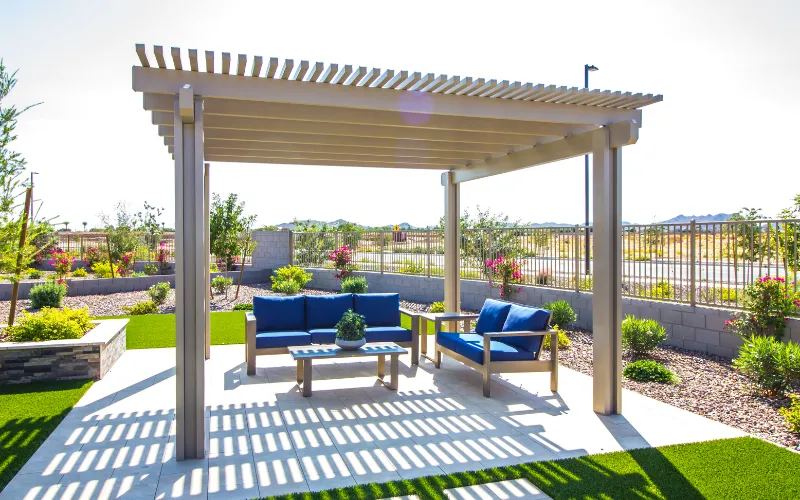
Upgrade Your Outdoor Space with Insulated Patio Covers
Insulated patio covers? Yeah, they’re kinda a big deal. Hot summer day? They keep the heat out. Chilly evening? They trap some warmth. Rain or shine, suddenly your patio isn’t just a patch of concrete—it’s a real outdoor room you can actually use.
Choosing an insulated patio cover isn’t just about comfort. It’s about making your backyard feel like…well, part of your home. Cooler indoors in the summer? Check. Stylish design that actually looks good? Double check. You can go sleek modern, rustic wooden, whatever fits your vibe.
Materials matter. Aluminum, polycarbonate, composites—they all do slightly different things. Some block more heat, some are super durable, some are quieter in the rain. And installation? Don’t skimp. Pros make sure it’s level, secure, and sealed tight. DIY? Could leave gaps, weird noises, or panels that warp. Yeah, it’s not worth the headache.
And here’s the thing—beyond protection, it just makes life better. Morning coffee in shade, summer barbecues without sweating, backyard hangs even in cooler months. It’s not just a cover. It’s a lifestyle upgrade. Your backyard finally feels like an extension of your home. You actually want to hang out there.
Key Takeaways
Comfort & Climate Control: Enjoy your outdoor space year-round with insulated patio covers.
Boost Home Value: Stylish and functional covers increase property appeal.
Customizable Designs: Materials, colors, and features to match your style.
DIY or Professional Installation: Know when to tackle it yourself or call the pros.
Durable & Low Maintenance: Choose smart materials for long-lasting enjoyment.
What Are Insulated Patio Covers?
Definition and Core Benefits
Simply put, insulated patio covers are patio roofs designed to keep your outdoor space comfortable and usable in any season. Unlike standard covers, they regulate temperature, reduce noise, and often improve energy efficiency inside your home.
Why they matter:
Block heat in summer.
Retain warmth in winter.
Cut down on noise from rain or street activity.
Boost your backyard’s usability and style.
Yep, they’re that versatile.
Difference From Standard Patio Covers
A standard backyard patio cover blocks sun and rain. That’s it. Not terrible—but not amazing either. Insulated panels trap air or have foam layers to regulate temperature and reduce sound.
If you spend time outdoors often, the difference is noticeable. Big difference.
Tip: Reflective insulated panels can help in hot climates by bouncing sunlight away.
Materials and Styles
Common Materials
Aluminum Panels
Lightweight, rust-resistant, and low-maintenance.
Can get hot without insulation and rain can be noisy.
Polycarbonate Panels
Let light through while blocking UV rays.
Durable but may scratch over time and need occasional cleaning.
Wood Frames with Insulated Panels
Warm, natural look, highly customizable.
Requires sealing, painting, and regular upkeep.
Popular Styles
Flat Roofs: Sleek, modern, minimalistic. Easy to install.
Gabled Roofs: Adds height, style, and better water runoff.
Pergolas with Insulated Panels: Keeps open-air feel with protection.
Example: A family in Texas replaced a basic pergola with an insulated polycarbonate roof. Summer afternoons dropped by 10°F, and they could host friends without roasting.

Benefits of Insulated Patio Covers
Year-Round Comfort
Hot summer? Check. Rainy days? Covered. Winter chill? Handled. Your backyard is suddenly usable all year.
Tip: Add ceiling fans in summer and heaters in winter for max comfort.
Energy Savings
Less heat enters your home in summer. Insulation retains warmth in winter. Lower energy bills. Simple math.
Noise Reduction
Rainstorms or kids playing next door? No problem. Insulated panels dampen sound. Finally, some peace.
Style and Curb Appeal
Modern or traditional, there’s a design for every home. Clean lines, wood finishes, sleek panels… looks intentional. Not slapped together.
Patio Cover Installation
DIY Installation
You can do it yourself. But brace yourself. Not a beginner’s weekend project.
Steps:
Check local codes & permits. Don’t skip this.
Measure, then measure again. Mistakes are expensive.
Choose materials and get a kit. Aluminum and vinyl are easiest. Wood takes patience.
Prep your site: remove furniture, level ground, clear obstacles.
Build the frame. Square, level, triple-check.
Install panels. Alignment is key for insulation.
Add extras: guttering, lighting, fans… your call.
Pro Tip: Work with a helper. Safety first.
Professional Installation
Why hire pros?
Accurate measurements & code compliance.
Complex designs like skylights or lights handled expertly.
Faster, safer, and often better finished results.
Costs more, but peace of mind is worth it.
Design Ideas
Open-Air Pergola
Classic, airy, partially shaded.
Add plants or string lights for atmosphere.
Enclosed Sunroom
Screens/windows keep bugs out.
Temperature stays comfortable year-round.
Integrated Lighting and Fans
Perfect for evening use.
Sets mood and function.
Green Roof
Extra insulation and eco-friendly aesthetic.
Adds natural cooling and style.
Multi-Zone Layouts
Dining here, lounging there, grilling spot over there. One cover, multiple functions. Backyard paradise.
Maintenance Tips
Clean panels: Remove dirt, leaves, dust.
Check anchors & screws: Especially after storms.
Seal & protect: Wood sealants or metal anti-rust.
Inspect insulated layers: Make sure they’re intact for thermal efficiency.
Do this annually. Seriously. Neglect = shorter lifespan.
Costs and Budgeting
Aluminum with Insulated Panels typically costs between $4,000 and $12,000. Low maintenance and lasts 20–30 years.
Wood Frames with Insulated Panels are more expensive—usually $5,000–$15,000. Needs regular care like sealing and painting. Lifespan: 15–25 years.
Polycarbonate Panels are a more affordable option: $3,000–$10,000, low maintenance, lifespan around 15–20 years.
Extras like gutter systems, ceiling fans, lighting, and permits may add to the total. Consider the long-term value: energy savings, added comfort, and increased home appeal often offset initial costs.

Real-Life Transformations
Modern Aluminum: 20x15 ft insulated panels. Patio temp dropped 12°F. Year-round usage.
Polycarbonate Pergola: UV protection + energy savings. Became a family hub.
DIY Vinyl: Three weekends, some mistakes, but functional and stylish.
Seasonal Use & Lifestyle
Summer: Fans, shade, UV furniture covers.
Winter: Heaters or fire pits = cozy.
Rainy Season: Proper slope, gutters, screens = dry and bug-free.
Entertaining: Multi-zone layout = dining, lounge, grilling.
Neighborhood Style & Customization
Modern homes = aluminum or insulated panels.
Traditional homes = wood pergolas.
Cottage-style = vinyl + climbing vines.
Tip: Match your patio cover to your architecture AND lifestyle. Hosting friends? Dining zone. Kids? Shade & safety.
FAQs
Q1: Which materials are best?
Aluminum = low-maintenance, wood = charm, polycarbonate = light-filtering, insulated = energy-efficient.
Q2: DIY or pro installation?
DIY works for small, simple projects. Pros = safer, faster, polished.
Q3: Are insulated covers worth it?
Yes. Comfort, noise reduction, energy savings, and style make them a solid investment.
Q4: Lifespan?
Aluminum = 20–30 yrs, wood = 15–25 yrs, polycarbonate = 15–20 yrs.
Q5: Permits needed?
Usually. Check local codes.
Conclusion
Insulated patio covers are more than a roof. They’re comfort, style, energy efficiency, and value. Upgrade your backyard patio covers. Invest in proper Patio cover installation. Enjoy year-round use, style, and peace.
Call to Action
Stop staring at that unused backyard. Contact us today for a free consultation and find the perfect insulated patio covers for your home. Transform your outdoor space now.
