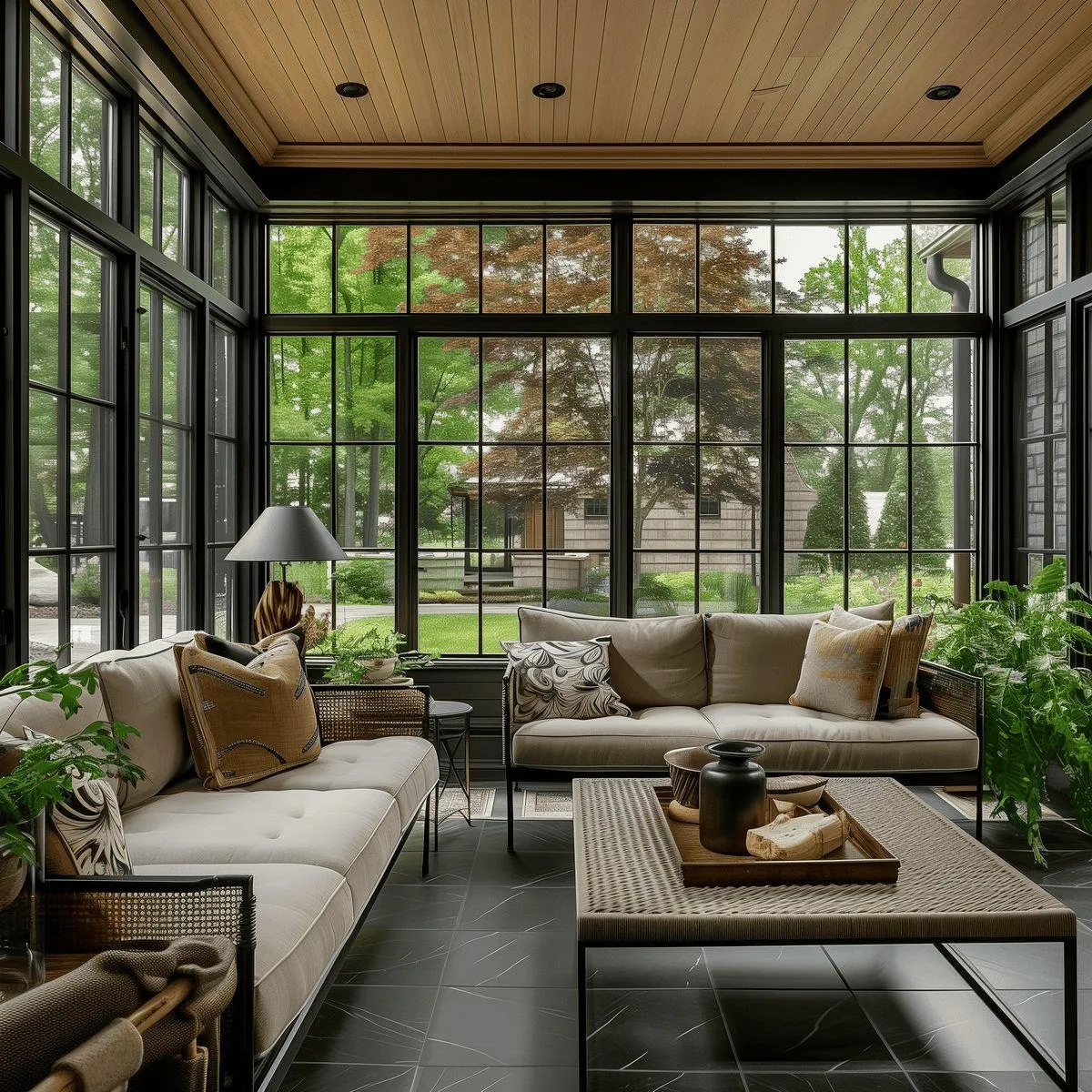
The Complete Guide to Screen Porch Installation: What Every Homeowner Needs to Know
Screen porch installation isn’t just slapping mesh on a frame. It’s creating a space you actually want to use. Morning coffee. Afternoon storms. Family barbecues. Without bugs.
But here’s the tricky part. Not all contractors are equal. Some cut corners. Some overcharge. Some… well, your porch could end up looking sad.
That’s why it pays to know the process. Materials, permits, design, and maintenance all matter. And if you work with a skilled screen enclosure contractor or screened patio contractor, you’ll save headaches, money, and time.
This guide covers it all: planning, costs, materials, construction, maintenance, and insider tips. By the end, you’ll know exactly what questions to ask and what to expect.
Key Takeaways
Screen porch installation improves comfort, shade, and home value.
A reliable screen enclosure contractor ensures durability and compliance.
Choosing the right materials impacts lifespan and daily comfort.
Maintenance is simple but skipping it reduces longevity.
Smart planning saves money and stress.
Why a Screen Porch Is Worth It
Adding a screened porch isn’t just an upgrade—it’s a lifestyle shift.
Comfort Without Compromise
No bugs. Shade during summer. Rain? No problem. A screened porch is your personal outdoor room. You can relax anytime.
Boost Property Value
Outdoor living spaces are one of the top features buyers look for. A move-in-ready screened porch adds instant appeal—and resale value.
Year-Round Usability
Hot summers. Rainy days. Pollen season. Your porch works no matter the weather.
Custom Style
From sleek aluminum to rustic wood, a skilled screened patio contractor will match your home’s aesthetic.
Health & Wellness Benefits
Being outdoors reduces stress and increases vitamin D exposure. A screened porch lets you enjoy fresh air safely, without pests or sunburn.
Step-by-Step Screen Porch Installation
It’s not magic. It’s a structured process.
Consultation & Planning
Your contractor measures the space and discusses your goals. Breakfast nook? Full patio? Pool enclosure? They guide you based on your needs.
Design & Materials
Screens, frames, roofing, and doors are all decisions that affect comfort and longevity. Choices include:
Fiberglass or aluminum screens
Solar mesh for heat reduction
Roof style: gable, shed, or insulated panels
Permits & Paperwork
Almost every municipality requires permits. A professional screen enclosure contractor handles this. Skip it, and fines or delays happen.
Construction Phase
Frames, screens, doors, finishing touches. Small builds take 1–2 weeks. Large or custom builds can take longer. Loose frames or sagging screens? Nightmare.
Walkthrough & Warranty
Inspect everything: doors, screens, tension. Ask about warranties for materials and labor.

Choosing the Right Contractor
Not all contractors are equal. Here’s how to pick the right one.
Must-Haves
Licenses & insurance – non-negotiable.
Portfolio – pictures are one thing; seeing finished projects in person if possible.
References – call past clients. Ask tough questions.
Clear contract – no vague language. Everything in writing.
Red Flags
Rock-bottom bids. Too good to be true.
Skipping permits. Big warning.
No warranty offered.
Interview Questions to Ask
How long have you been installing screened porches?
Do you handle permits and HOA approvals?
What brands and materials do you recommend and why?
What’s your labor and material warranty policy?
Costs: What to Expect
Money talk.
Average Price Ranges
Small porch: $2,500–$6,000
Medium patio: $8,000–$15,000
Large/pool enclosures: $20,000+
Factors Influencing Cost
Screen type
Frame material
Roofing style
Labor & permits
How to Save Without Sacrificing Quality
Phase upgrades (start basic, add features later)
Choose durable materials over cheap options
Compare multiple bids, but focus on value, not just price
Choosing the Right Screen
All screens are not created equal. Here’s a breakdown:
Fiberglass: Affordable, flexible. But weak and can sag over time. Good for budget-friendly porches.
Aluminum: Durable, rust-resistant, strong. Slightly pricier, but long-lasting.
Solar Screens: Block UV rays, reduce heat. Perfect for hot climates or sunny patios.
Pet-Resistant Screens: Thick, durable mesh. Great for homes with cats or dogs.
Privacy Screens: Blocks neighbors’ views. Keeps airflow, but slightly limits visibility.
Frames & Roofing
Frames
Aluminum: Lightweight, rust-proof, long-lasting. Low maintenance.
Wood: Warm, classic look. Requires painting or sealing.
Vinyl-coated: Durable compromise between aluminum and wood.
Roofing
Gable Roof: Classic triangle design, drains water well.
Shed Roof: Slopes one way, budget-friendly.
Insulated Panels: Regulate temperature, ideal for extreme climates.
Mistakes Homeowners Make
Picking the cheapest bid.
Skipping permits.
Ignoring warranties.
Underestimating maintenance.
Avoiding these mistakes ensures a long-lasting porch.
Maintenance Tips
Screen porches are low-maintenance, but some care is needed.
Rinse screens monthly to remove dirt and debris.
Inspect for tears or sagging every season.
Trim nearby branches to prevent damage.
Repaint or reseal wood frames every 2–3 years.
Pro tip: Keep a small repair kit for quick fixes. Saves time and money.
Regional Climate Considerations
Your location impacts material choice and design.
Hot, sunny regions: Use solar screens and insulated roofing to reduce heat.
Humid areas: Aluminum frames resist rust better than wood.
Wind-prone locations: Reinforced screens and sturdy framing prevent damage.
Cold climates: Solid roofing panels protect from snow and ice accumulation.
Consult your contractor about local conditions. They’ll tailor your installation accordingly.

Contractor Hiring Checklist
Use this checklist to ensure you hire a reliable contractor:
Verify licenses and insurance.
Review portfolio of past projects.
Check references and call 2–3 clients.
Confirm they handle permits and HOA approvals.
Discuss materials, brands, and options.
Get detailed written estimates.
Confirm labor and material warranties.
Set project timelines and milestones.
Inspect the completed work before final payment.
Real-Life Case Study
Homeowner A: Hired a licensed screen enclosure contractor. Hurricane-rated frames. Full warranty. Proper permits. Five years later: still pristine.
Homeowner B: Hired a handyman. No license. Flimsy screens. No warranty. First storm: half the screens gone. Repairs cost more than the original installation.
Lesson: Professionalism matters. Every. Single. Time.
FAQs
1. How long does installation take?
Small porches: 1–2 weeks. Large builds: up to a month.
2. Do I need a permit?
Yes. Most municipalities require it. A reliable contractor handles it.
3. Can I enclose my existing patio?
Yes. Most patios can be converted with minimal changes.
4. Best screen for pets?
Vinyl-coated, thick mesh. Scratch-proof and durable.
5. How long will it last?
Aluminum: 10–20 years. Wood: shorter without proper maintenance.
Conclusion
Screen porch installation is more than a project. It’s an investment in comfort, lifestyle, and home value.
Right contractor, proper materials, and basic maintenance = decades of enjoyment.
Wrong choices = headaches, repairs, regret.
Choose wisely. Ask questions. Inspect work. Enjoy your outdoor space like never before.
Call to Action
Ready to upgrade your patio? Contact a licensed screen enclosure contractor today. Build the screened porch you’ve always wanted and enjoy outdoor living without compromise.
