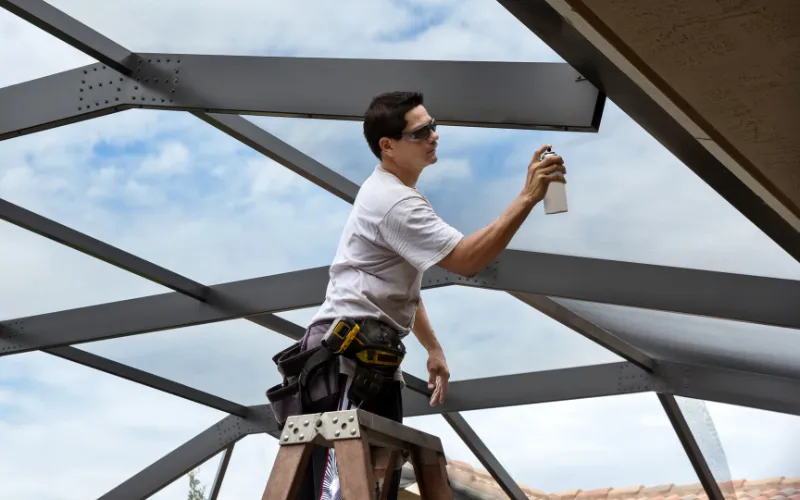
The Complete Guide to Hiring a Screened Patio Contractor
A screened patio contractor does more than install screens. They create a space you’ll actually use. Morning coffee. Evening hangouts. Family dinners. No bugs. No fuss.
But not all contractors are equal. Some overcharge. Some cut corners. Some leave your project half-finished. Knowing who to hire makes all the difference.
This guide breaks it all down. From screen porch installation basics to choosing a screen enclosure contractor. We’ll cover picking materials, budgeting, and maintenance.
You’ll also get real-life homeowner stories, expert tips, and insider advice. By the end, you’ll know exactly what to ask, what to expect, and how to get a patio that lasts.
Key Takeaways
Hiring a screened patio contractor boosts comfort, style, and home value.
Smart material and frame choices ensure long-lasting results.
Licensed screen enclosure contractors handle permits, avoiding fines.
Proper planning prevents headaches and costly repairs.
Real-world tips and maintenance insights maximize the life of your patio.
Why a Screened Patio Contractor Matters
A screened patio isn’t just a home upgrade. It’s a lifestyle upgrade.
Protection and Comfort
No bugs. Shade in the heat. Rain? No problem. Your patio becomes an extension of your home. You use it every day.
Increase Property Value
Buyers love functional outdoor spaces. A professionally installed patio can boost resale value.
Year-Round Enjoyment
With the right materials and roof, your patio works in sun, wind, or rain.
Custom Style
Aluminum, wood, solar screens, pet-resistant mesh—your screened patio contractor can match function to style.
Wellness Benefits
Fresh air. Less stress. Vitamin D. Bugs-free living. You get all of it.
Homeowner Tip: One client told me, “I spend more evenings outside than inside now. My patio is basically my living room in summer.” Small changes make a huge difference.

Understanding the Installation Process
A successful patio starts with a plan that actually makes sense.
1. Planning & Consultation
Contractor measures space. Talks goals. Coffee nook? Pool enclosure? Extra doors? They guide you.
Insider Tip: Take photos of your backyard, note sun patterns, and list how you plan to use the space. This helps the contractor design something truly functional.
2. Design & Material Selection
Materials affect durability, comfort, and price:
Screens: Fiberglass, aluminum, solar, pet-resistant
Frames: Aluminum, wood, vinyl-coated
Roofing: Gable, shed, insulated panels
Mini Anecdote: One homeowner chose fiberglass to save money. It sagged in the first summer. Aluminum would have lasted decades. Always consider durability over the cheapest option.
3. Permits & Paperwork
Most cities and HOAs require permits. Licensed screen enclosure contractors handle this. Skip it? Risk fines and delays.
4. Construction Phase
Small patios: 1–2 weeks. Large, custom builds: longer. Proper frame, tight screens, functional doors—details matter.
Pro Tip: Ask the contractor to show examples of how they anchor frames and secure screens. Strong construction lasts years.
5. Walkthrough & Warranty
Inspect everything. Test doors. Ask about warranties. Protects against future issues.
How to Choose the Right Contractor
Not every contractor is worth hiring.
Must-Haves
License and insurance
Portfolio of real projects
References from past clients
Written contract with scope, timeline, and warranty
Red Flags
Extremely low bids
Skipping permits
No warranty
Questions to Ask
How long have you been installing screened patios?
Do you manage permits and HOA approvals?
Which materials do you recommend and why?
What warranties do you offer?
Insider Insight: Contractors who explain trade-offs between different screens, frames, and roofing options show expertise. They aren’t just selling—they’re advising.
Materials Overview
Right materials = long-lasting results.
Screens
Fiberglass: Cheap, flexible, but can sag over time.
Aluminum: Strong, rust-resistant. Longer lifespan.
Solar: Blocks UV, reduces heat. Perfect for sunny climates.
Pet-Resistant: Thick mesh, scratch-proof.
Privacy Screens: Limits view, still lets airflow.
Frames
Aluminum: Lightweight, rust-free, low maintenance.
Wood: Classic, warm look, needs painting or sealing.
Vinyl-Coated: Durable compromise between aluminum and wood.
Roofing
Gable: Triangle shape, drains water well.
Shed: Single slope, budget-friendly.
Insulated Panels: Temperature regulation, great for extreme climates.
Expert Tip: Combining solar screens with insulated panels creates a patio that’s cool in summer and usable in mild winters.
Common Mistakes Homeowners Make
Choosing cheapest bid without checking credentials
Skipping permits
Ignoring warranties
Using wrong materials for local weather
Underestimating maintenance
Real-World Example: A family installed a DIY screened porch. Fiberglass screens tore in months. Aluminum frames would have lasted years.
Avoiding these mistakes prevents headaches and ensures your patio lasts.
Budgeting & Costs
Know what to expect before you spend.
Average Costs
Small patio: $2,500–$6,000
Medium patio: $8,000–$15,000
Large/pool enclosure: $20,000+
Cost Factors
Screen type and quality
Frame material
Roof style
Labor and permits
Saving Tips
Prioritize quality materials
Phase upgrades over time
Compare bids carefully, not just by price
Insider Tip: Ask contractors for a breakdown: labor vs. materials. It helps you see where you can make smart choices.

Regional & Climate Considerations
Where you live affects your choices.
Hot climates: Solar screens, insulated roofing
Humid areas: Aluminum frames resist rust
Windy zones: Reinforced frames, heavy-duty screens
Cold regions: Solid roofing, strong support
Homeowner Story: A Florida family used aluminum frames and solar screens. Five years later, zero rust or sagging, even through hurricanes. Material choice matters.
Maintenance Tips
Maintain your patio to keep it looking great.
Rinse screens often to remove dust and pollen
Check for tears or sagging each season
Trim branches to prevent damage
Repaint or reseal wood every 2–3 years
Pro Tip: Keep a small repair kit handy. Small tears? Fix them immediately. Saves a lot in the long run.
Real-Life Case Studies
Case 1: Licensed screen enclosure contractor, hurricane-rated frames, full warranty. Five years later: pristine condition.
Case 2: DIY contractor, no license, flimsy screens, no warranty. First storm: major damage. Repair costs exceeded original budget.
Lesson: Professional quality pays off. Always.
Expert Insider Tips
Ask contractors for a “design walkthrough.” Visualize placement, doors, furniture, and airflow.
Consider adding retractable screens. Flexibility without permanent walls.
Incorporate ceiling fans or lighting during construction. Saves retrofitting later.
Think long-term: material choice and roof style impact energy efficiency and comfort.
FAQs
1. How long does installation take?
Small patios: 1–2 weeks. Large builds: up to a month.
2. Do I need a permit?
Yes. A licensed screen enclosure contractor handles it.
3. Can I enclose an existing patio?
Yes. Most patios convert easily with minor adjustments.
4. Best screen for pets?
Vinyl-coated, thick mesh. Scratch-resistant.
5. How long will it last?
Aluminum: 10–20 years. Wood: shorter without maintenance.
Conclusion
A screened patio contractor is more than a builder. They’re a lifestyle enhancer.
Right contractor, quality materials, smart planning, and maintenance = decades of outdoor enjoyment.
Wrong choices = frustration and wasted money.
Ask questions. Inspect work. Make informed decisions. Enjoy your backyard like never before.
Call to Action
Ready to upgrade your backyard? Contact a licensed screen enclosure contractor today. Let a professional screened patio contractor create the patio you’ve always dreamed of. Comfort, style, and bug-free outdoor living await.
