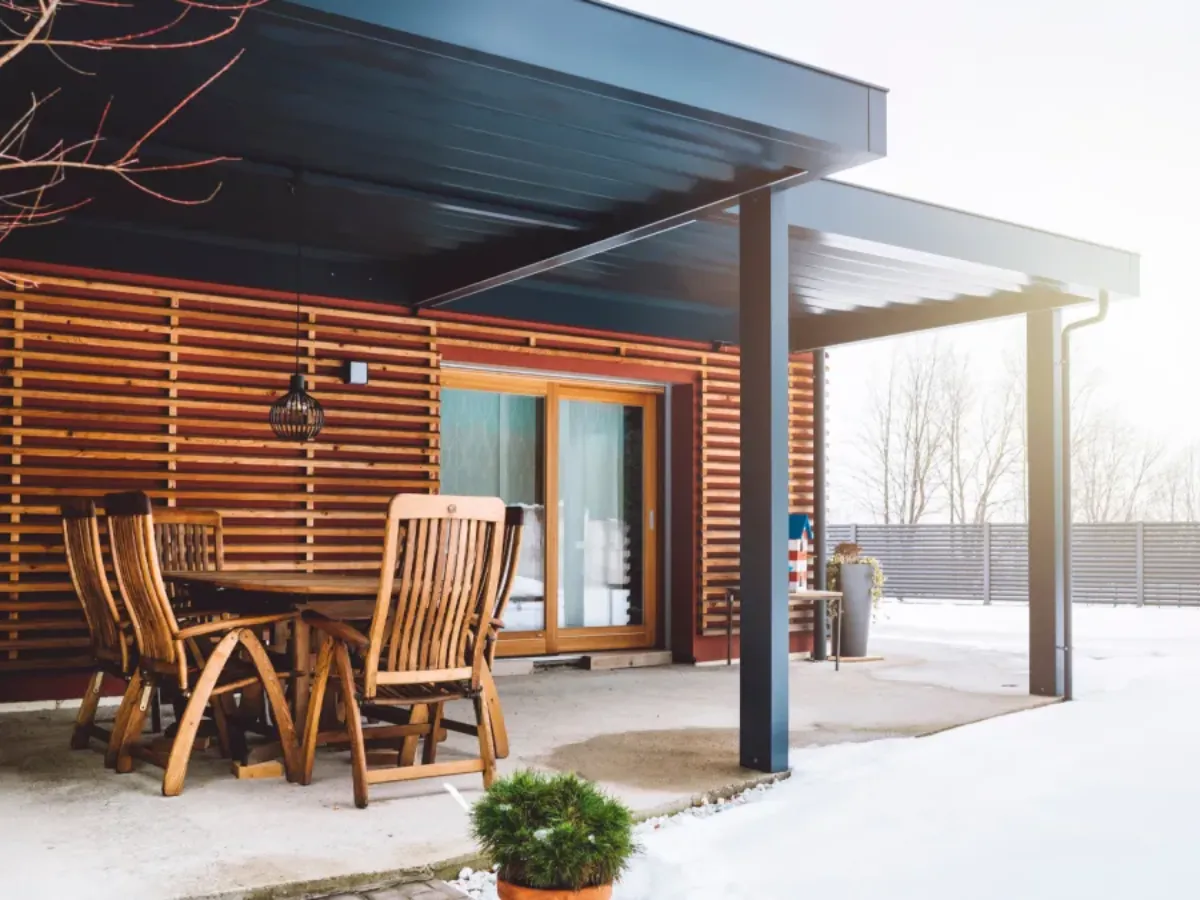
Pros And Cons Of Different Patio Cover Materials For Rain Resistance
If rain protection is your main goal, Best Patio Cover Material options are not all equal. Some hold up well in wet weather. Others need more care and repair over time.
For most homes, aluminum is often the strongest choice for rain resistance. It is waterproof, long-lasting, and easy to maintain. Wood looks beautiful but needs regular sealing. Vinyl is more affordable, but it does not last as long in harsh weather.
This guide breaks down the pros, cons, and Patio Roof Installation Cost for each material. It also explains why hiring experienced Patio Cover Installers Near Me matters.
Key Takeaways
Aluminum is often the Best Patio Cover Material for rainy climates
Wood offers a natural look but needs frequent upkeep
Vinyl is more budget-friendly but has some durability limits
Patio Roof Installation Cost depends on material, size, and design
Professional Patio Cover Installers Near Me help prevent leaks and drainage problems
Why Rain Resistance Matters
A patio cover should do more than provide shade. It should also protect your outdoor space from water damage.
In rainy areas, the right material can help prevent:
Leaks
Rot
Mold
Warping
Pooling water
Damage to furniture and flooring
That is why choosing the Best Patio Cover Material is an important step.
Aluminum Patio Covers
Aluminum is one of the most reliable materials for wet weather. It does not absorb water, and it does not rot like wood.
Why Aluminum Performs So Well
Solid aluminum panels create a strong barrier against rain. Water runs off the surface instead of soaking in. Many systems also include built-in gutters and proper drainage slopes.
Because of this, many homeowners see aluminum as the Best Patio Cover Material for year-round protection.

Pros of Aluminum
Fully waterproof
Rust-resistant
Very low maintenance
Long lifespan, often 30 to 50 years
Works well in humid and coastal climates
Insulated panels can reduce rain noise
Cons of Aluminum
Higher upfront price than vinyl
Can feel hotter without insulation
May dent if hit by heavy debris
Patio Roof Installation Cost for Aluminum
Patio Roof Installation Cost for aluminum usually ranges from $25 to $70 per square foot.
The starting price may be higher, but the long lifespan and low maintenance often make it a better value over time.
Wood Patio Covers
Wood patio covers have a classic look that many homeowners love. They add warmth and style to an outdoor space.
Still, wood needs more care than other materials.
How Wood Handles Rain
Wood is porous, which means it can absorb moisture. Even treated wood needs sealing or staining to stay protected. Without regular care, rain can lead to swelling, rot, cracks, and mold.
Pros of Wood
Natural and attractive appearance
Easy to paint or stain
Good for custom designs
Matches traditional home styles well
Cons of Wood
Needs regular sealing and maintenance
Can rot over time
May warp or crack from moisture
More likely to attract termites when damp
Shorter lifespan in wet climates
Patio Roof Installation Cost for Wood
Patio Roof Installation Cost for wood usually falls between $40 and $85 per square foot.
That does not include future maintenance costs, which can add up over time.
Vinyl Patio Covers
Vinyl is a practical choice for homeowners who want something affordable and easier to maintain.
It performs well in light to moderate rain, but it is not always the strongest long-term option.
How Vinyl Performs in Rain
Vinyl does not absorb water, so it will not rot like wood. That makes it a decent option for moisture resistance. Still, vinyl is not as strong as aluminum, especially in areas with heavy rain or added weight.
Pros of Vinyl
Moisture-resistant
Low maintenance
Lower price than wood or aluminum
No painting or sealing needed
Cons of Vinyl
Can sag or crack over time
May fade in strong sunlight
Limited design and color options
Usually does not last as long as aluminum

Patio Roof Installation Cost for Vinyl
Patio Roof Installation Cost for vinyl is usually around $20 to $40 per square foot.
This makes vinyl one of the more affordable choices, especially for homeowners with a tighter budget.
Polycarbonate Covers
Polycarbonate is another option worth considering. It is often used when homeowners want rain protection without blocking natural light.
How Polycarbonate Handles Rain
Polycarbonate panels are waterproof, but the system must be installed correctly. If seams are not sealed well, leaks can happen. Condensation can also build up underneath in humid weather.
Pros of Polycarbonate
Lets in natural light
Waterproof when installed properly
Strong against impact
Can block UV rays
Cons of Polycarbonate
May develop condensation
Can yellow over time
Needs proper sealing to prevent leaks
Patio Roof Installation Cost for Polycarbonate
Patio Roof Installation Cost for polycarbonate usually ranges from $25 to $55 per square foot.
It sits between vinyl and aluminum in both price and performance.
Quick Material Comparison
Here is a simple breakdown of how each material compares in wet conditions.
Aluminum
Best overall rain resistance
Lowest maintenance
Longest lifespan
Wood
Best natural appearance
Highest maintenance
More vulnerable to rain damage
Vinyl
Lower cost
Easy upkeep
Less durable in harsh conditions
Polycarbonate
Allows light through
Good water resistance
Installation quality matters a lot
Which Option Is the Best Patio Cover Material?
If your main concern is rain resistance, aluminum is usually the winner.
Why?
It does not absorb water
It resists rust
It lasts for decades
It needs very little maintenance
It handles wet climates better than wood or vinyl
That is why many contractors and homeowners consider aluminum the Best Patio Cover Material for rainy regions.
Why Professional Installation Matters
Even the strongest material can fail if it is installed the wrong way.
That is why it helps to work with trusted Patio Cover Installers Near Me. A skilled installer can make sure your patio cover has:
Proper slope for drainage
Secure attachment points
Sealed seams
Gutter support
Correct framing for your climate
Looking for experienced Patio Cover Installers Near Me can save you from leaks, repairs, and early replacement.
How to Choose the Right Installer
When comparing Patio Cover Installers Near Me, look for these things:
Proper license and insurance
Experience with your chosen material
Good reviews from local homeowners
Photos of completed work
Clear written estimates
Warranty coverage on labor and materials
The right installer will also help you understand Patio Roof Installation Cost before the project starts.
What Affects Patio Roof Installation Cost?
Several factors can change your final Patio Roof Installation Cost.
These include:
Material type
Patio size
Roof style
Insulated vs non-insulated panels
Labor rates in your area
Drainage and gutter needs
Custom design features
Getting quotes from a few Patio Cover Installers Near Me can help you compare pricing and value.
Read also: What Type of Patio Cover Is Best: Vinyl, Aluminum or Wood
FAQs
What is the Best Patio Cover Material for heavy rain?
For heavy rain, aluminum is often the Best Patio Cover Material because it is waterproof, rust-resistant, and long-lasting.
How much is Patio Roof Installation Cost on average?
Average Patio Roof Installation Cost ranges from about $20 to $85 per square foot, depending on the material and design.
Are Patio Cover Installers Near Me worth hiring?
Yes. Professional Patio Cover Installers Near Me help make sure your cover is sealed correctly, drains properly, and lasts longer.
Is wood a bad choice for rainy climates?
Not always, but wood needs much more maintenance. Without sealing and care, it can rot, crack, or warp.
Is vinyl better than wood for rain resistance?
Vinyl usually handles moisture better than untreated wood, but it may not last as long as aluminum in severe weather.
Conclusion
The Best Patio Cover Material depends on your priorities, but for rain resistance, aluminum usually comes out on top. It offers strong weather protection, low maintenance, and long-term value.
Wood has visual appeal, but it needs regular care. Vinyl is more affordable, but it has durability limits. Polycarbonate can work well too, especially when natural light matters.
No matter which option you choose, proper installation matters. Working with experienced Patio Cover Installers Near Me helps protect your investment and ensures better performance in wet weather.
Ready to Get Started?
If you are comparing materials and planning your project, the next step is to speak with professionals who understand your local climate, design needs, and Patio Roof Installation Cost goals.
A well-built patio cover can give you comfort, protection, and peace of mind for years. JB's Enclosures provides expert consultation, quality materials, and professional installation. Contact us today and let's get started.
